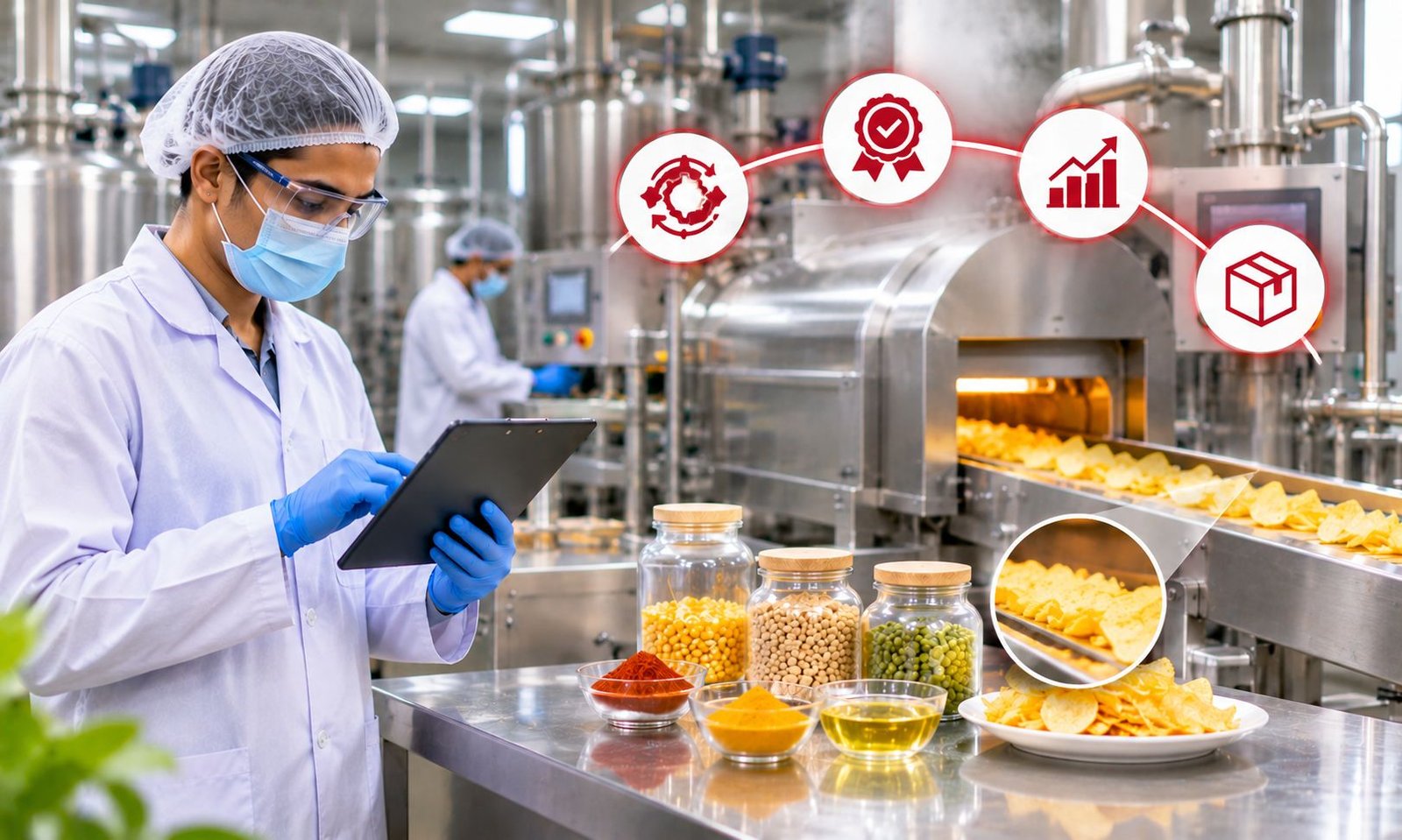
Processing technology influences the safety, texture, flavour, shelf life and cost of a food product. The most advanced equipment is not automatically the best choice for every business. Manufacturers should select processes based on the product, target market, production scale and evidence that...
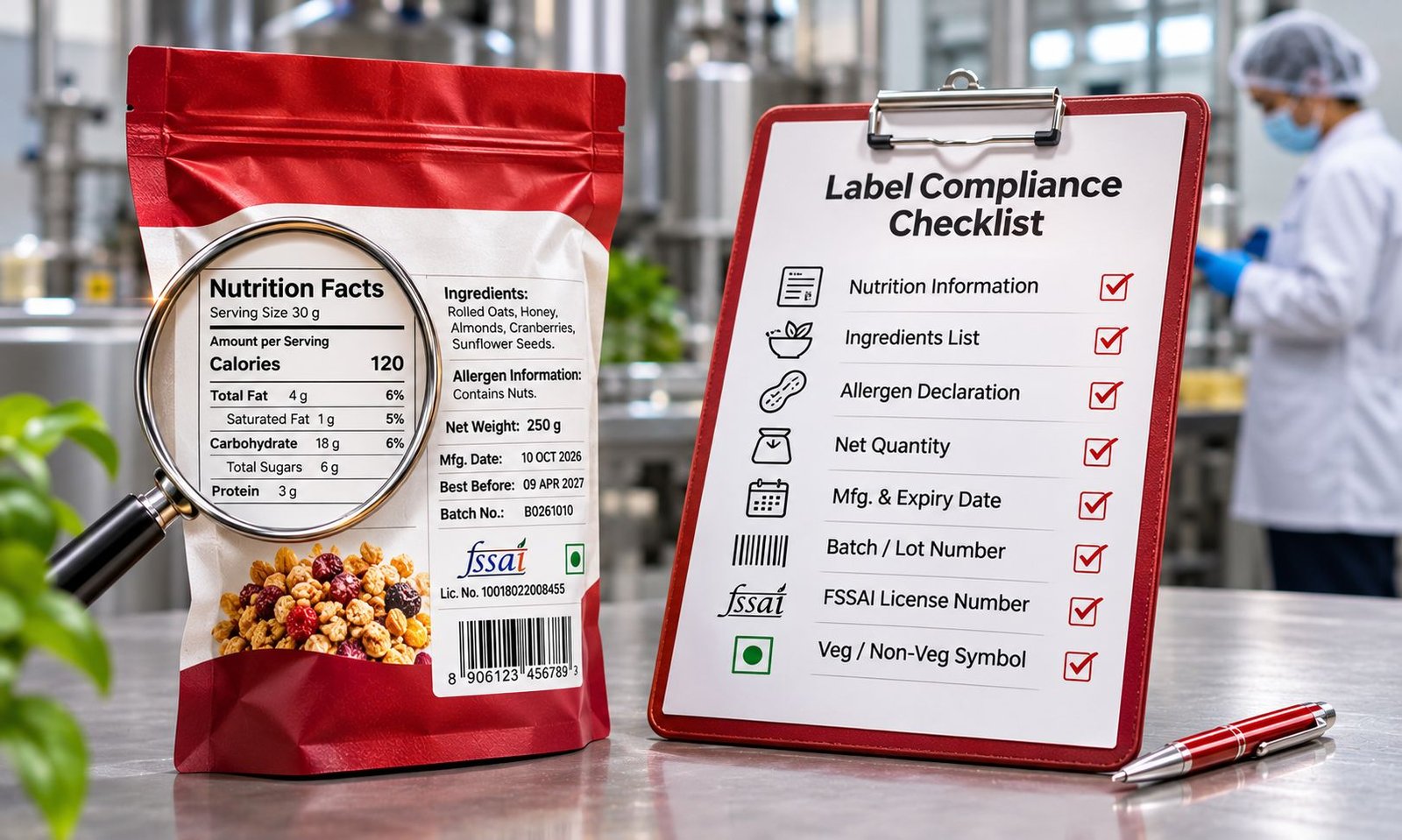
A food label is both a consumer information tool and a regulated part of the product. Errors can lead to artwork reprints, delayed launches, marketplace issues or compliance action. Brands should review label content early and confirm the applicable rules for the product...
Food manufacturers need products that meet agreed safety, quality and customer expectations batch after batch. Quality assurance (QA) and quality control (QC) are related, but they serve different purposes. Understanding both helps teams build a system that prevents avoidable problems and identifies issues...
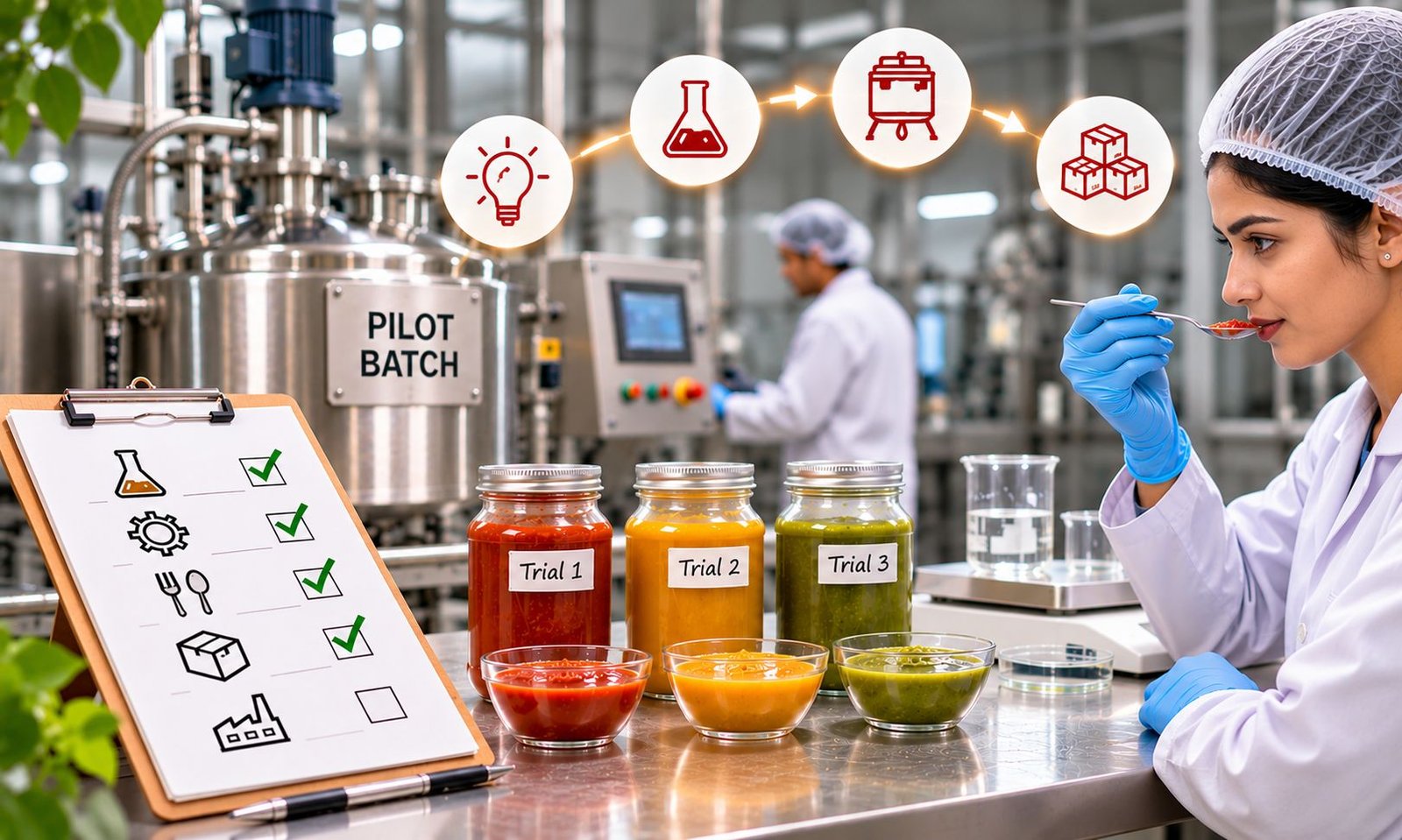
A product that performs well in a small kitchen trial may behave differently on commercial equipment. Mixing, heat transfer, cooling, filling and packaging can change when batch size and machinery change. Pilot manufacturing helps teams identify these differences before making a larger production...
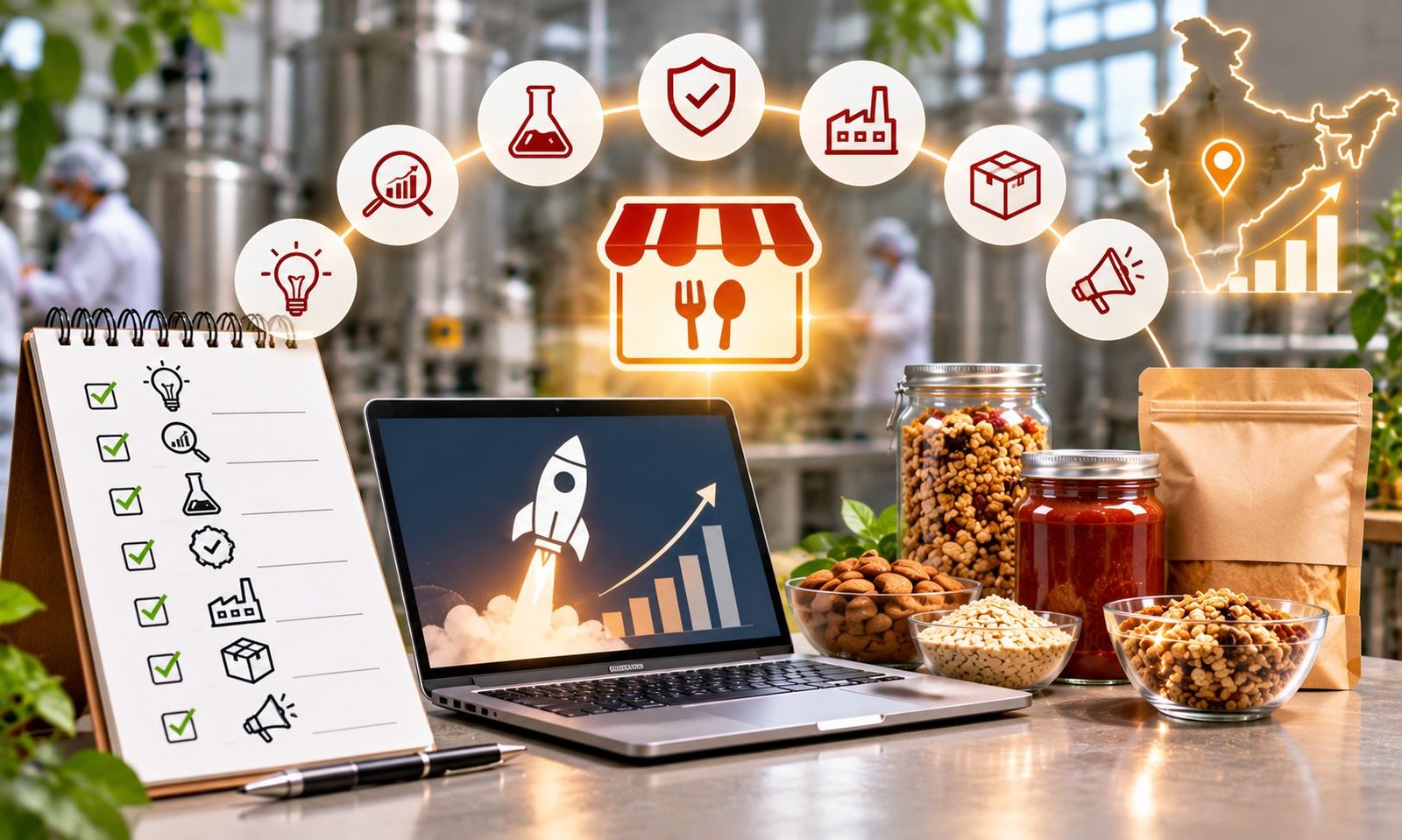
Turning a recipe or food concept into a viable business requires more than a good product. Entrepreneurs need to validate demand, understand costs, arrange suitable production, meet applicable requirements and build a route to customers. Planning these areas early can prevent expensive changes...
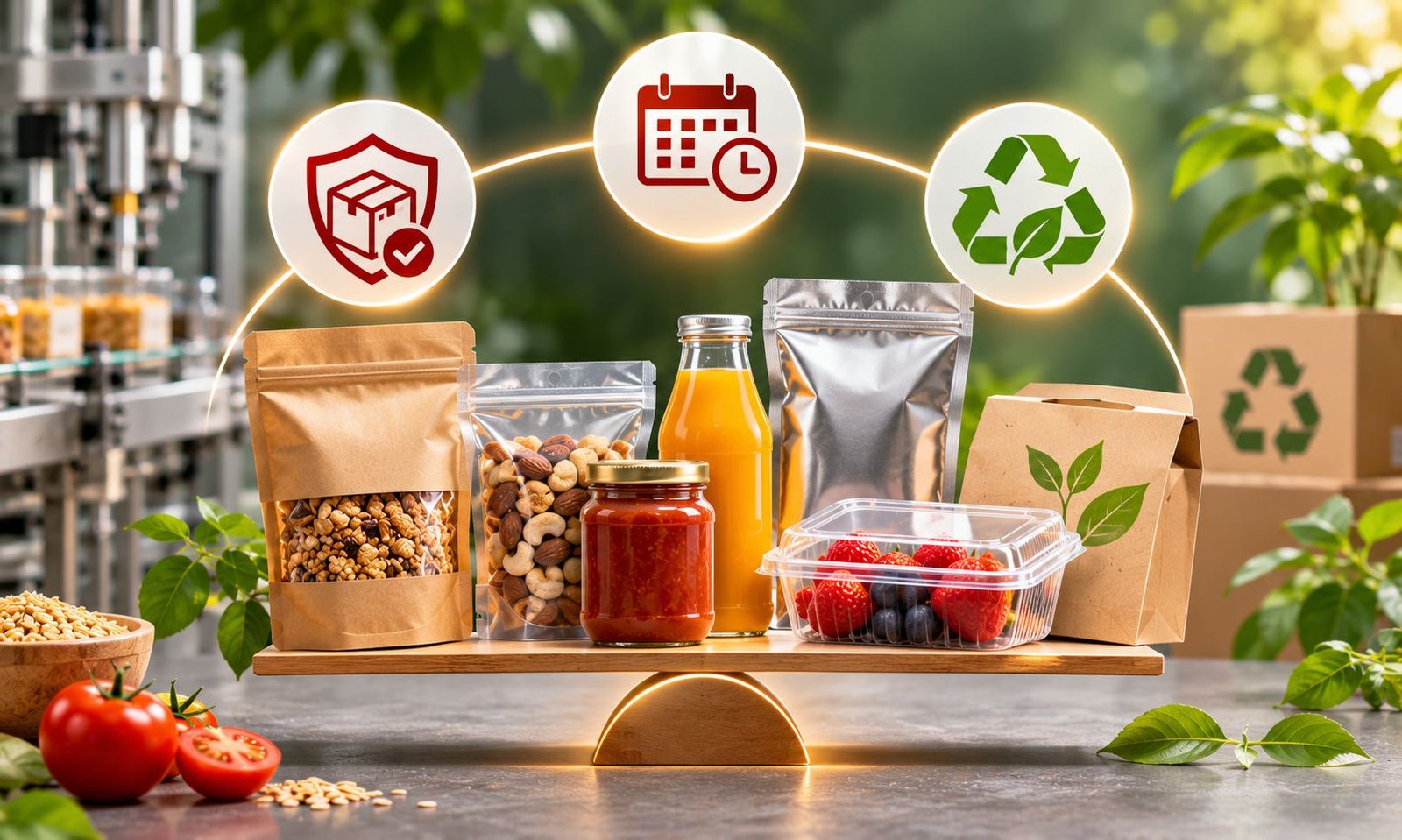
Food Packaging: How to Balance Product Protection, Shelf Life and Sustainability Food packaging does much more than display a brand. It protects products during handling and distribution, supports product information, and can influence shelf life. Choosing packaging requires a balance between product needs,...
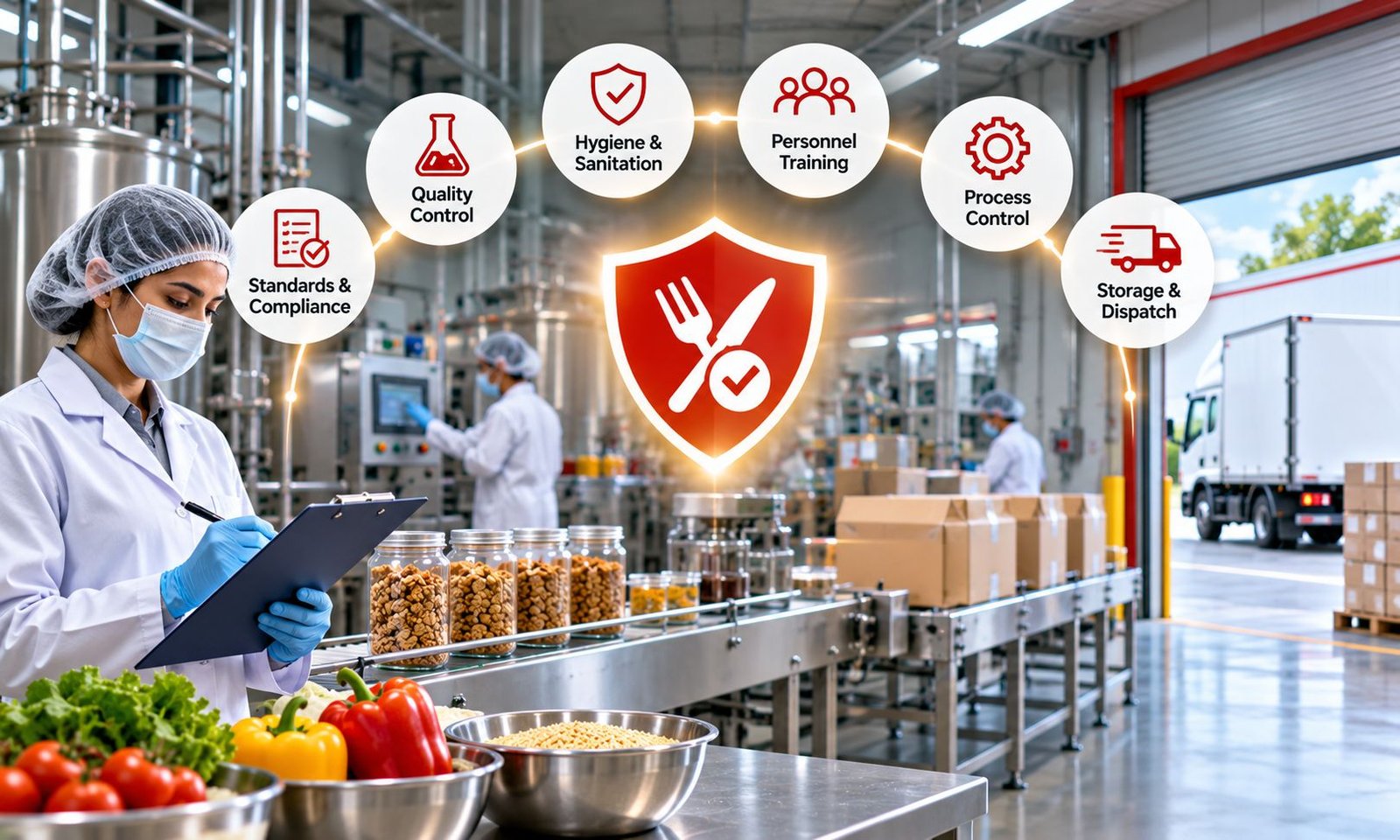
Food safety depends on more than a final product test. It requires preventive controls throughout receiving, processing, packing, storage and dispatch. A documented food safety management system helps a food business identify hazards, define responsibilities and verify that controls are working. Begin with...
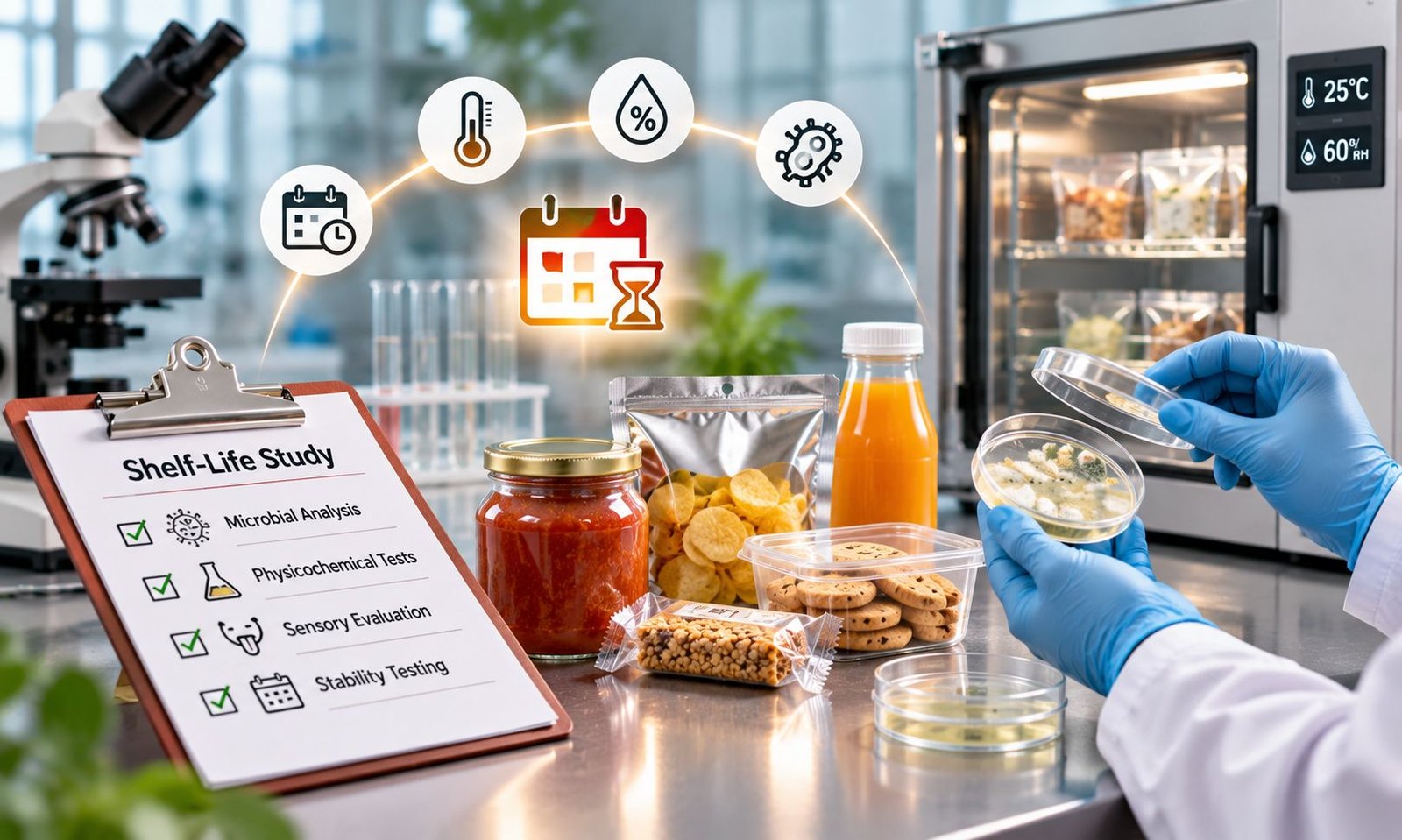
Shelf life affects product safety, quality, inventory planning, distribution and customer experience. A product that deteriorates too early can lead to returns and waste, while an unsupported date claim can create safety and compliance risks. Shelf life should therefore be established using evidence...
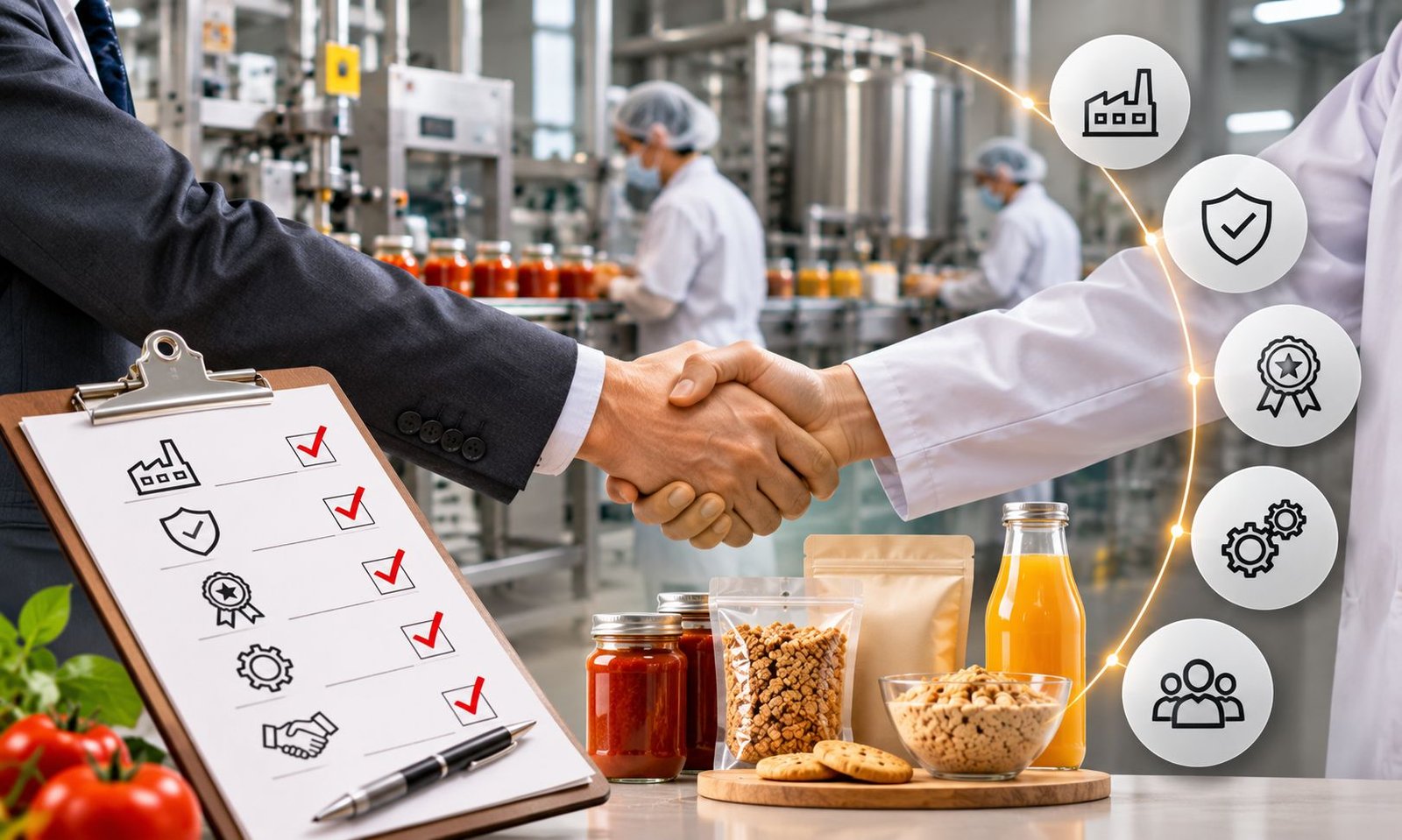
Choosing a contract manufacturer is a major decision for a food brand. The right partner can provide production capacity, technical expertise and a smoother route to market. The wrong fit can create delays, inconsistent products or unexpected costs. A structured evaluation helps businesses...
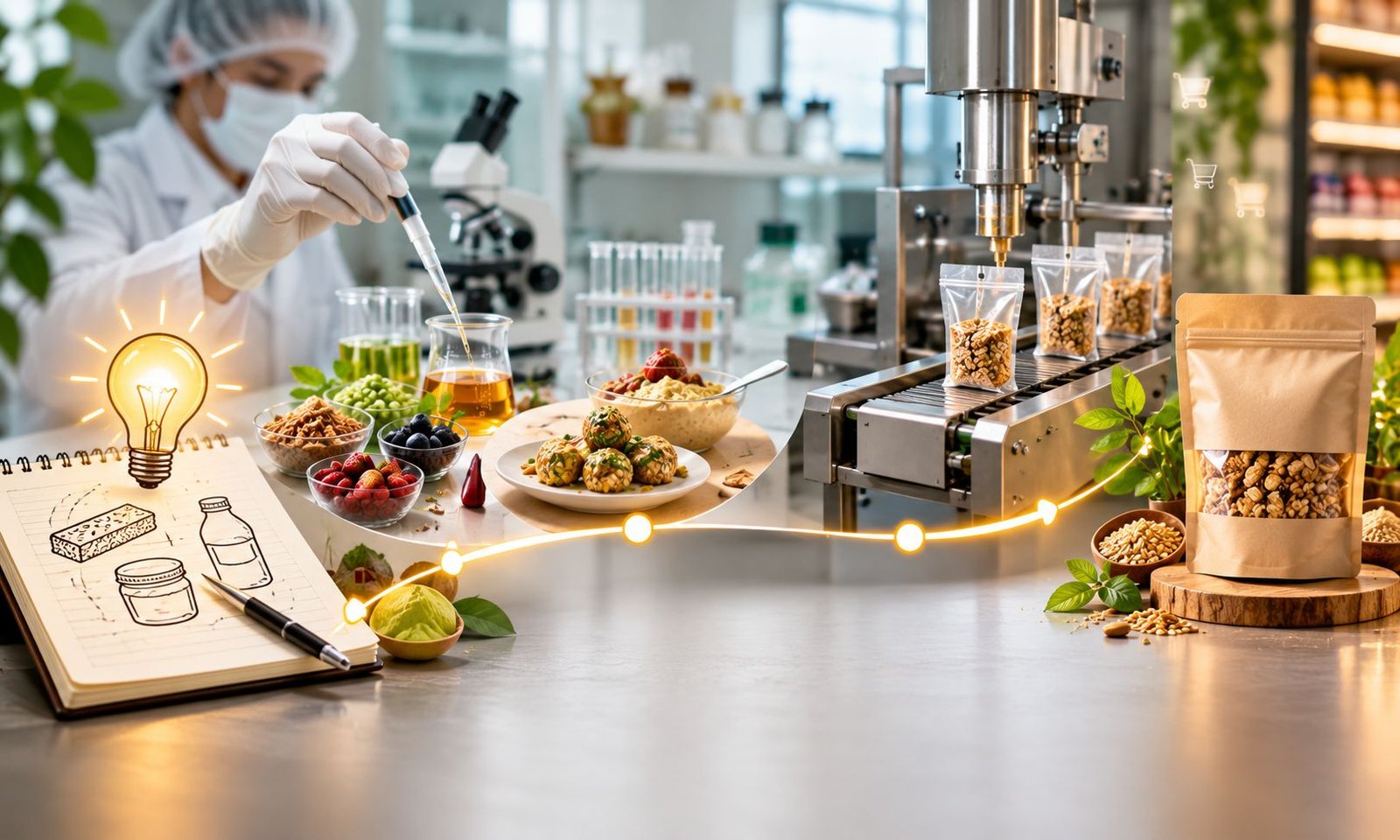
A promising food idea is only the beginning. Turning it into a product customers enjoy, retailers can stock and a manufacturer can produce consistently requires a structured development process. Food startups and established brands alike benefit from testing assumptions early, documenting decisions and...